In the world of Rubik's Cubes, the experience doesn't have to end with solving the classic 3x3 puzzle. As enthusiasts and collectors, they customize cubes to challenge the boundaries of traditional puzzle design. In this blog, we'll explore the exciting world of custom Rubik's Cubes, from the different ways you can personalize them to their cultural impact on the Rubik's Cube community.
What Is a Rubik's Cube Custom?
A custom Rubik's Cube is any Rubik's Cube that has been modified from its original factory design, either aesthetically, mechanically, or both. Customization can range from simple tweaks, like changing the color scheme, to intricate custom designs that involve altering the physical structure of the cube itself. Some cubes are designed for practical purposes (like improving speedcubing performance), while others are purely artistic endeavors.
Categories of Personalized Rubik's Cube
The custom Rubiks cube world is vast and offers multiple categories of modification, each serving a different purpose or aesthetic. Here's a rundown of the most common categories:
1. Aesthetic Customization
This type of customization focuses on altering the visual aspects of the cube. While the classic Rubik's Cube comes with six distinct colors (white, red, blue, orange, green, and yellow), aesthetic modifications can bring an entirely new look to the puzzle.
- Custom Color Rubik's Cube: The most common form of aesthetic customization involves changing the colors of the stickers (or tiles, in modern cubes). Some cubes are designed with unusual color schemes, like pastel shades, neon colors, metallic finishes, or even transparent stickers.
- Custom Rubik's Cube with Pictures: Some custom cubes go beyond just colors and add custom graphics or logos to the pieces. Artists often design cubes with specific themes in mind, such as pop culture references, custom logos, or even portraits of famous people.
- Custom Faces and Art: Art enthusiasts sometimes create cubes that feature intricate artwork on each face. These could range from hand-painted designs, pixel art, and abstract patterns, to full-blown paintings. Custom faces can turn a puzzle into a mini canvas, giving the cube an entirely new identity.
2. Mechanically Customized Cubes
Mechanically customized cubes focus on altering the internal workings and structure of the puzzle to improve its functionality, durability, or overall performance. These customizations are particularly popular among speedcubers who demand precision, speed, and smoothness from their puzzles.
- Lubing and Tensioning: One of the most common mechanical modifications in speedcubing is adjusting the tension of the cube's internal pieces, combined with applying special lubricants to reduce friction and make rotations faster and smoother.
- Magnetic Cubes: One of the more popular modifications in the speedcubing custom cube community is the use of magnetic cubes. Magnets are placed inside the cube's pieces, providing extra stability and control during rotations. This modification helps speedcubers achieve more precision when turning and reduces the likelihood of "popping" (where pieces accidentally come out of place during a twist).
- Customized Speedcubes: Speedcubers who want the best performance often opt for cubes that have been specifically designed for speed solving. Custom speedcubes can come with special internal mechanisms that allow for faster turns and smoother operation. Some brands offer customization options like adjustable cores that can change the cube's tightness.
3. Shape and Size Customizations
Custom cubes aren't confined to the traditional 3x3 shape. Many custom Rubik's cube makers enjoy designing and solving cubes with unique geometries, which can present an entirely new set of challenges.
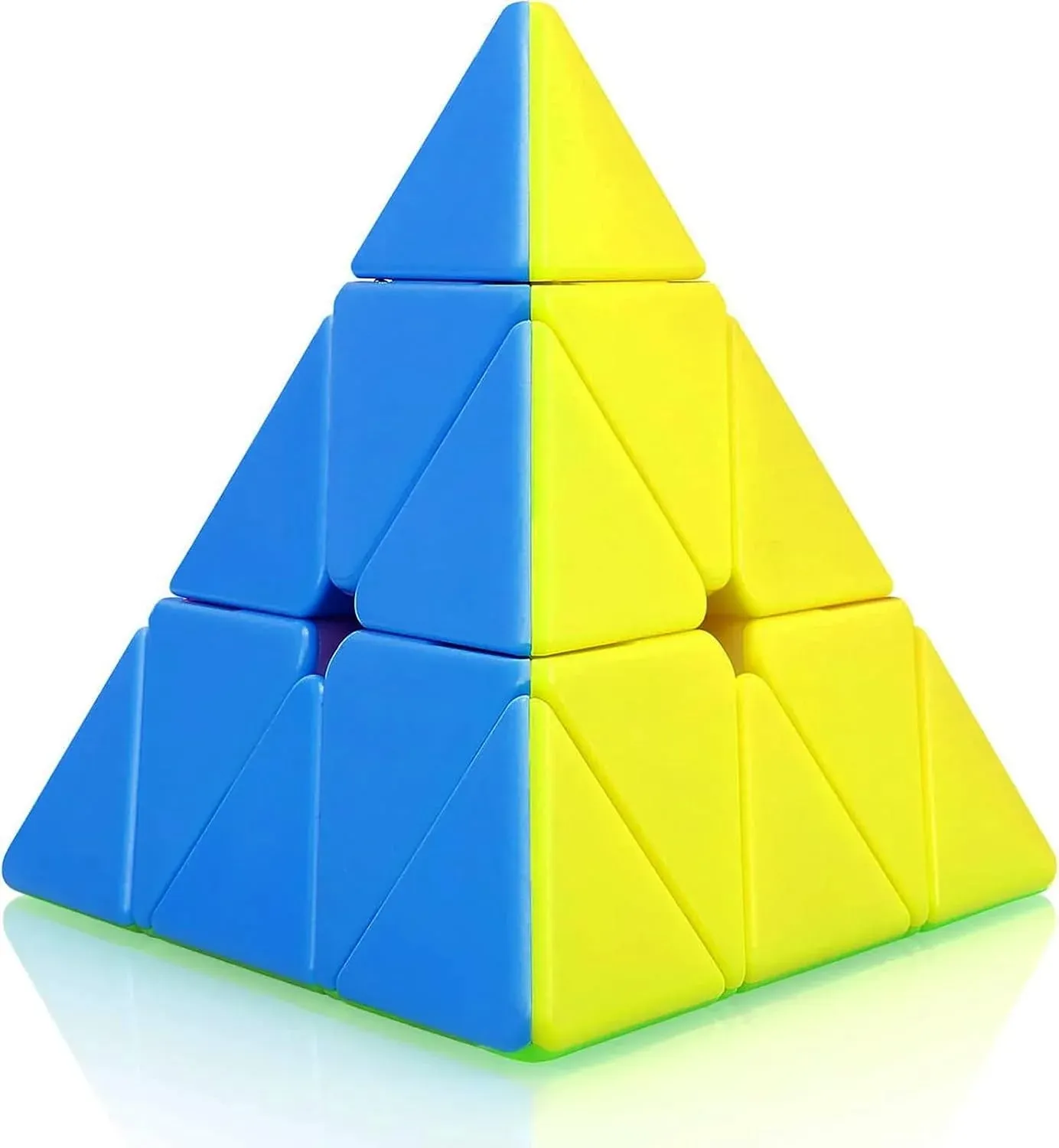
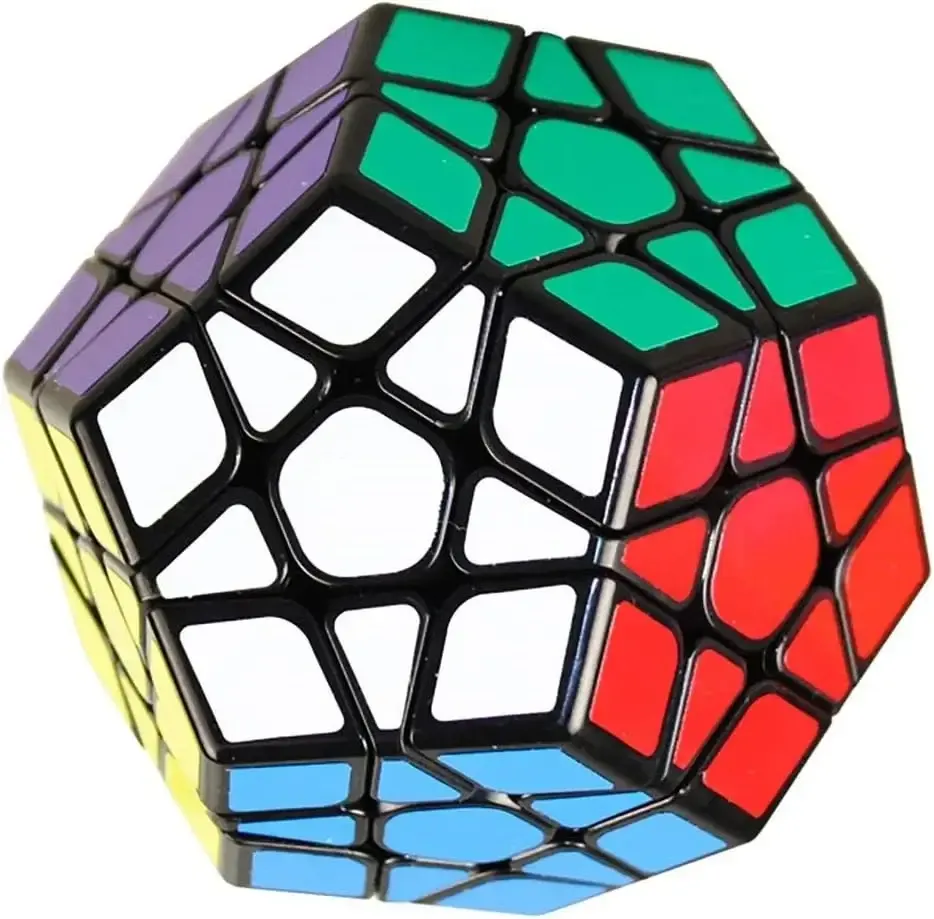
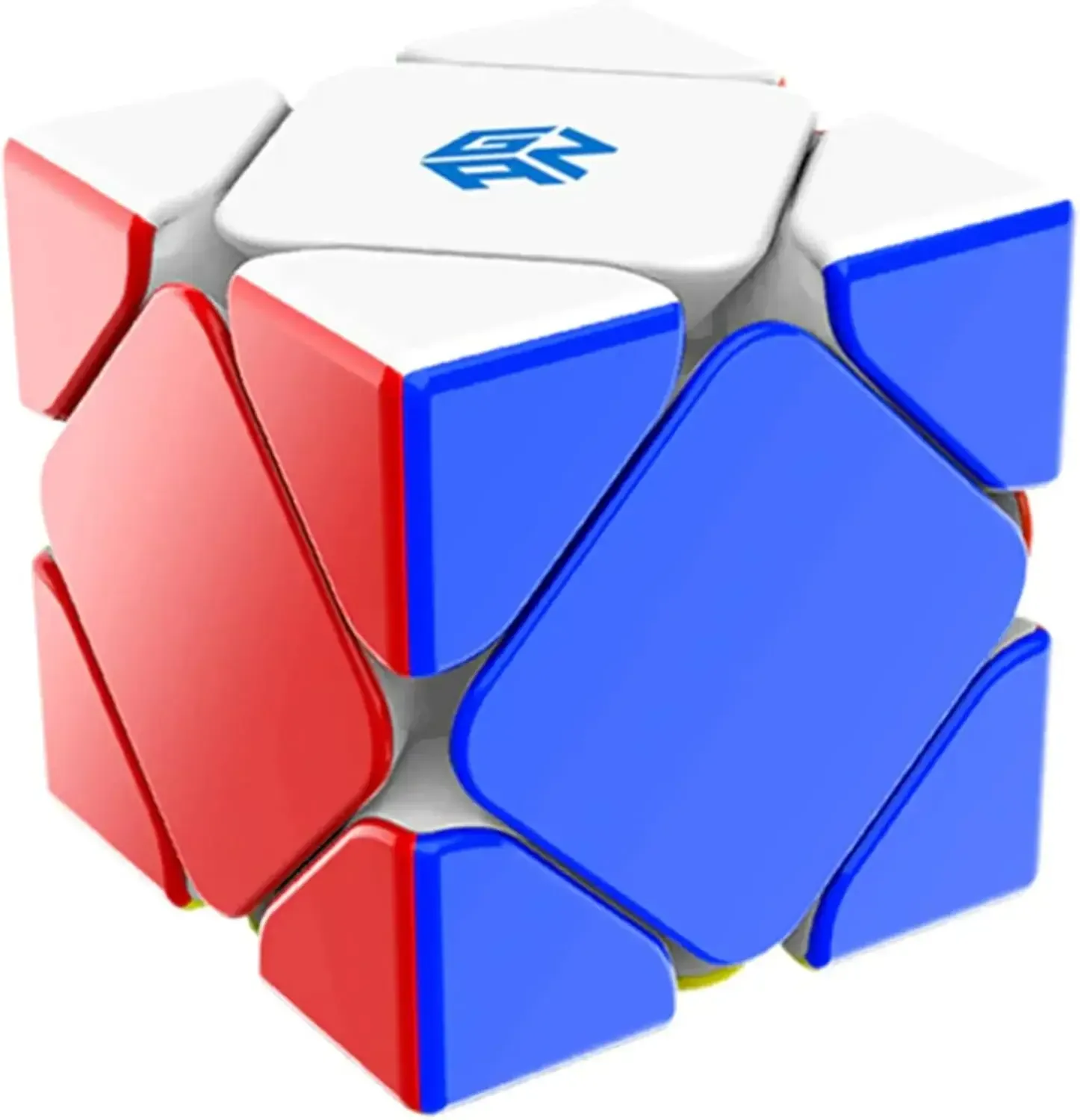
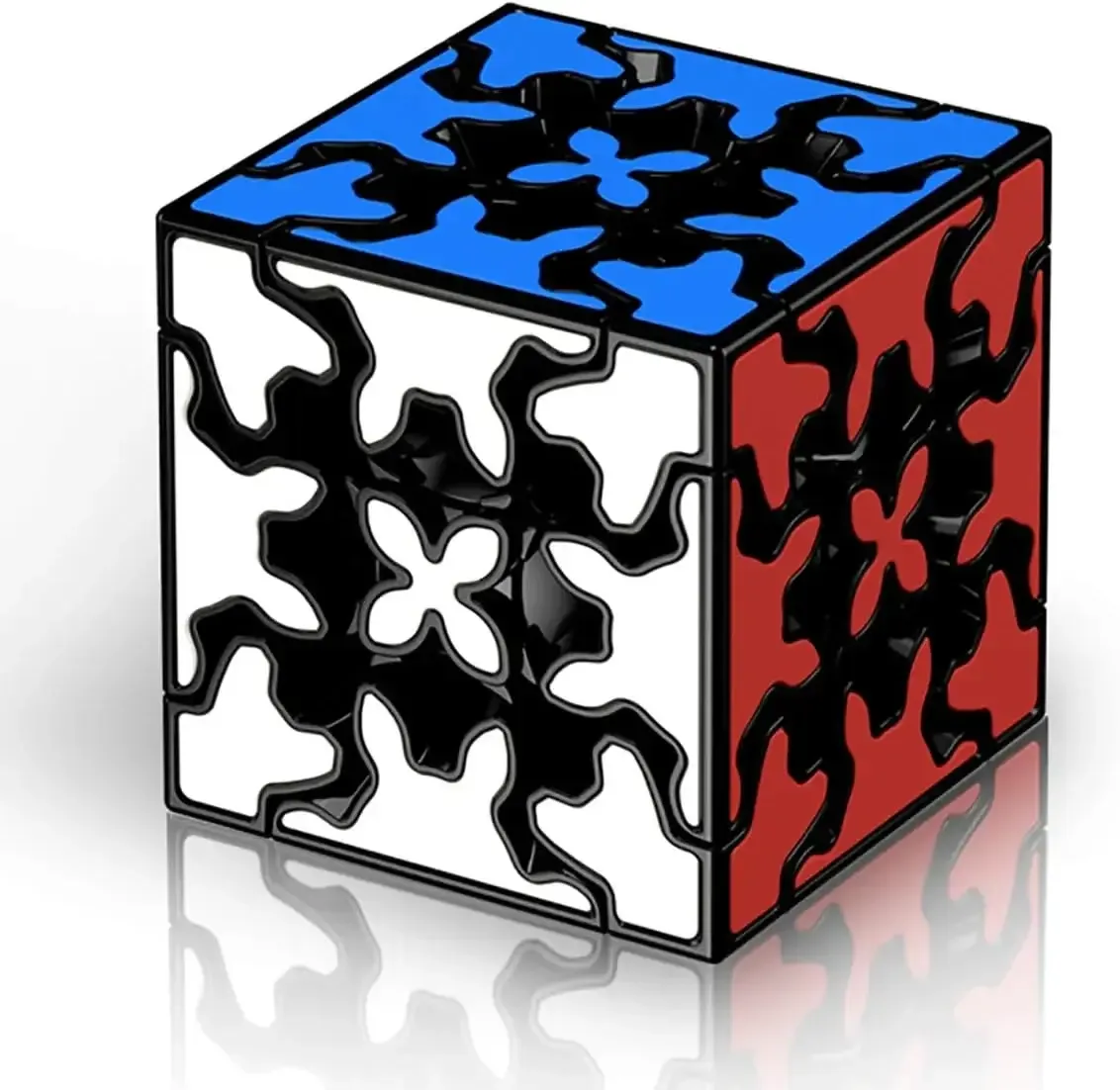
- Shape Mods: These are non-traditional Rubik's Cubes that have been modified into different shapes. Some popular shape mods include:
1)Pyraminx: A pyramid-shaped variation of the 3x3 cube.
2)Megaminx: A 12-sided dodecahedron puzzle.
3)Skewb: A cube that twists around its corners instead of its faces.
4)Gear Cubes: These cubes are modified with gears, meaning that turning one piece causes other pieces to move simultaneously, creating a fascinating (and often frustrating) solving experience.
- Larger-Scale Cubes: Some Rubik's Cube enthusiasts tackle custom large-scale cubes that go beyond the 3x3 format. Cubes like 4x4, 5x5, and even 17x17 are available, and some collectors and puzzle makers go even further with creations like the 33x33 or 100x100 cubes, though these are far less common.
4. Customized Rubik's Cub
For a more personal touch, many enthusiasts and collectors create cubes that reflect their individual tastes or commemorate special occasions. Some common examples include:
- Name or Logo Customization: A cube with your name, logo, or a personal image on its face adds a personal touch to the puzzle. These cubes can be used as souvenirs, gifts, or even promotional items for businesses or events.
- Custom Photo Rubik's Cube: Using a photo on a Rubik's Cube is another form of customization. Companies and artists can print photos on the cube's squares to create a "photo mosaic" effect that results in a full image when the cube is solved.
- Gift and Event Custom Cubes: Custom cubes are also great for special events like weddings, birthdays, or corporate giveaways. Imagine receiving a cube with a special photo or message on each side—it's a fun and interactive way to commemorate any occasion.
How to Make Your Own Rubik's Cube
Crafting your own custom Rubik's Cube is an exciting project that can range from straightforward to highly detailed, depending on your vision. Whether you're looking to add a personal touch to a classic design or want to create something unique, the process is full of possibilities.
1. Choose Your Customization Type
First, decide on what type of customization you want: Are you looking to create a visually stunning piece, improve the mechanics for speedcubing, or design a unique shape or size? Once you decide, the next step is to choose the right base cube for your project.
2. Select the Materials
- Stickers vs. Tiles: Modern cubes tend to use plastic tiles rather than stickers, as they last longer and are more durable. If you're customizing colors or designs, tiles may be the best option.
- Magnets: If you're working on a speed cube, you might want to consider adding magnets to increase stability. Some cubes are sold with built-in magnetic systems, while others can be manually customized with magnetic kits.
3. Consider Design Tools
- Graphics Software: If you're designing your cube's appearance, using graphic design software can help you create digital designs for custom stickers or tiles.
- Customization Services: There are several companies and online retailers that specialize in custom Rubik's cubes. They offer services that let you upload your designs, select custom colors, or even create cubes based on your specifications.
4. Assembling the Cube
For mechanical customizations, you may need tools to disassemble and reassemble the cube. You can also adjust the tension of the internal springs for better performance. Be sure to lubricate the cube's internal components carefully to prevent excessive friction.
5. Test and Fine-Tune
Once your customizable Rubik's cube is assembled, it's important to test it. For mechanically customized cubes, such as speedcubes or magnetic cubes, you should rotate the cube to ensure it turns smoothly and doesn't "lock up". For aesthetic cubes, you should check the design and ensure everything aligns correctly and the colors are vivid.
Tip: When you finish the design of your customized Rubik's cube, consider using an AI Rubik's Cube Solver app to enhance your solving experience. Whether you're a beginner looking to learn new techniques or an advanced cuber refining your skills, this tool offers a convenient way to understand solving methods more effectively.