The Rubik's cube is a timeless puzzle that has fascinated millions worldwide. At its core, the cube's vibrant colors are not just for aesthetics—they play a crucial role in solving the puzzle. In this guide, we'll explore the Rubik's cube colors, their arrangement, and how they influence solving strategies.
What Colors Are on a Rubik's Cube?
A Standard Rubik's Cube features six colors: white, yellow, red, orange, blue, and green regardless of the Japanese color scheme or Western color scheme, and each color is assigned to one face of the cube. Why this arrangement? The creator of Rubik's cube, Rubik Ernõ, gave the reason,
"If the cube wouldn't be colored there would be no objective, there would be nothing to solve. Using the colors we can specify the target we have to reach. I was looking for the most simple way to mark the solved state. I chose these six colors (actually 5 real colors because we don't really call white a color) because they are all basic colors and there's no need to explain them. Everybody knows what red, blue, yellow, green, orange, and white are."
Moreover, the specific color pattern is designed to ensure maximum contrast between them. It helps players easily differentiate between pieces, reducing confusion and making it simpler to solve the puzzle step by step.
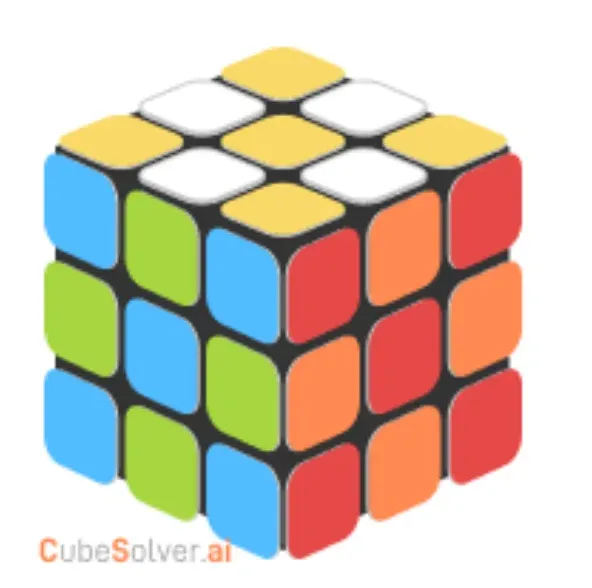
Interestingly, early versions of the cube had different color schemes, but the current set became the standard over time for both visual appeal and practicality. Nowadays, some custom cubes even feature unique color combinations to offer an added challenge! Moreover, some challenging cubes, like Mirror Cube or Ghost Cube, only have one color on six faces.
Two Rubik's Cube Color Schemes
As mentioned above, there are two schemes of Rubik's cube colors: Western color scheme and Japanese color scheme. The two schemes use the same six colors, but with different placements. In cases of the Western color scheme, the Rubik's cube colors order is white, yellow, orange, red, green, and blue, while the Japanese version has the yellow and blue colors switched.
Western Color Scheme
The Western Color Scheme refers to the standard color arrangement on a Rubik's cube, which has become the most widely recognized color layout, especially in the Western world. It consists of six colors: white, yellow, red, orange, blue, and green.
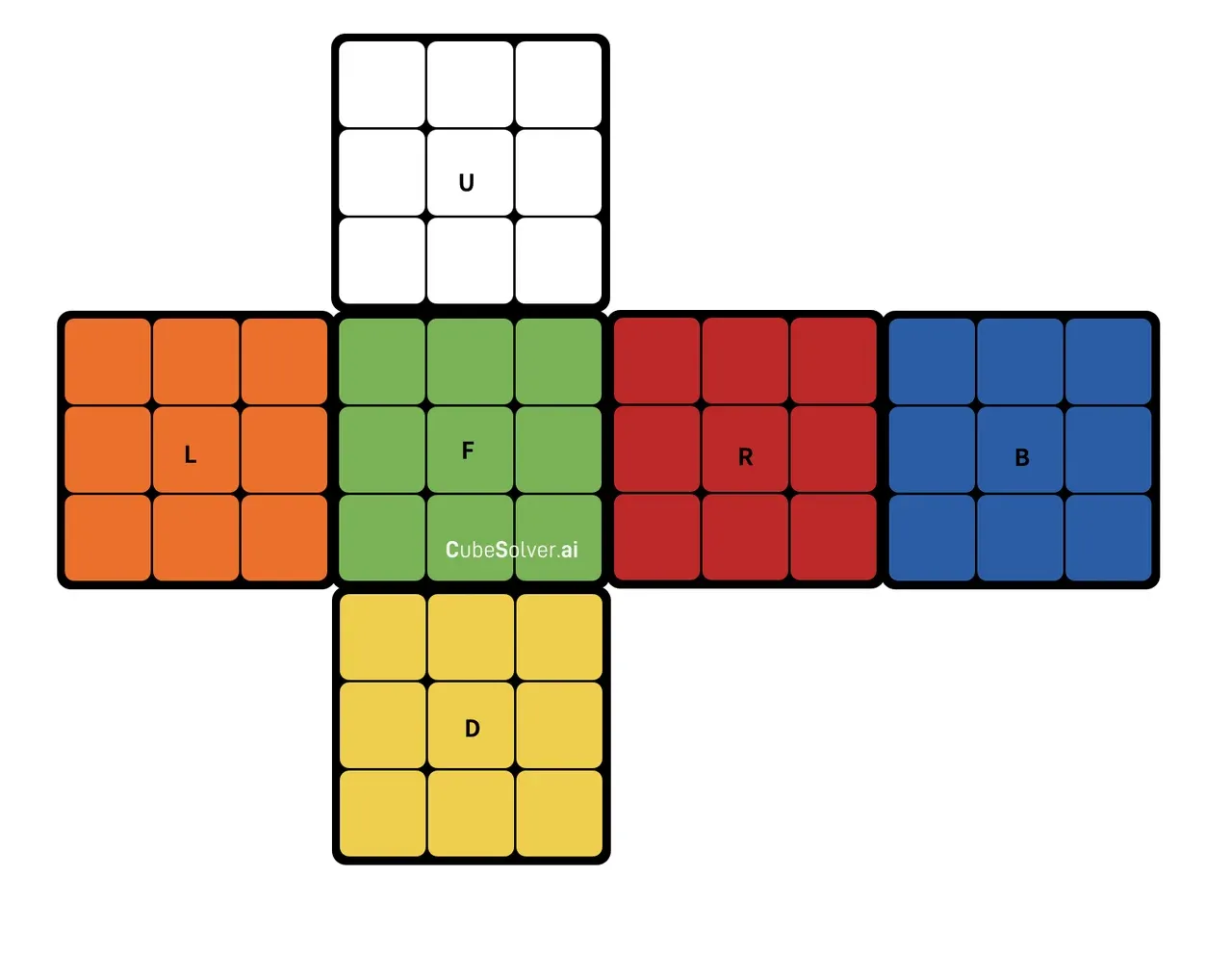
A key aspect of this color scheme is the use of the BOY (Blue-Orange-Yellow) color orientation. The BOY sequence is often discussed when referring to the standard color setup of the cube. In this pattern, Blue is placed opposite Green, Orange is placed opposite Red, and Yellow is placed opposite White.
In short, in the case of the Western color scheme, the Rubik's cube opposite colors are:
- White vs. Yellow
- Red vs. Orange
- Blue vs. Green
The Western color scheme is also referred to as "Minus Yellow" because it involves adding yellow to the face opposite each primary color face in a specific way:
- On the opposite face of white is yellow: white + yellow = yellow
- On the opposite face of red is orange: red + yellow = orange
- On the opposite face of blue is green: blue + yellow = green
Japanese Color Scheme
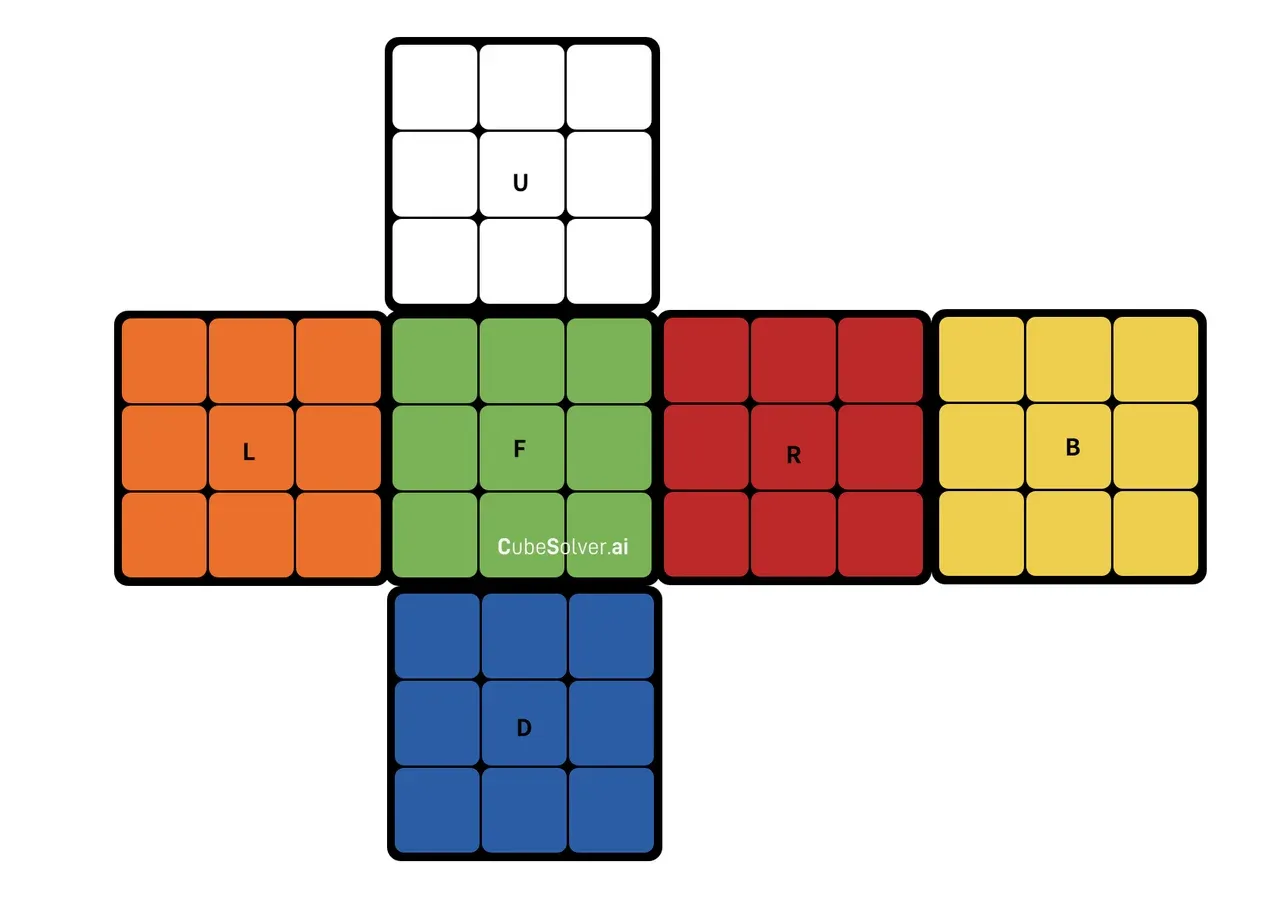
The Japanese color scheme for Rubik's cube features the same six colors as the Western version, but with a key difference: yellow and blue are switched. In this arrangement, yellow is placed opposite green, while blue is opposite white.
In short, in the case of the Japanese color scheme, the Rubik's cube opposite colors are:
- White vs. Blue
- Red vs. Orange
- Yellow vs. Green
This color scheme was used in the earliest mass-produced cubes and is still legal in official WCA competitions. A few speedcubers still prefer it today. The switch between blue and yellow leads many speedcubers to start solving the cube with a blue cross rather than the traditional white cross, as the blue face is now a more natural starting point.
Tips for Using Colors to Solve the Rubik's Cube
Beginners can leverage the colors of a Rubik's cube to help guide their solving strategy. By understanding the fixed color positions and following a structured approach, solving the cube becomes much more manageable. The colors of the cube are not just random—they provide important clues that can help you plan and solve step by step.
Tip 1. Understanding Center Pieces
Each face of the cube has a center color that stays fixed relative to the other centerpieces. These centerpieces never move in relation to one another, meaning their positions remain constant no matter how the cube is twisted. These Rubik's cube center colors serve as a reference point for solving the cube.
For example, the white center will always be opposite the yellow center, the red center opposite the orange center, and the blue center opposite the green center. By recognizing these fixed relationships, even if you are a beginner, you can understand the spatial layout of the cube and use the center colors to guide the solving process.
Tip 2. Using Layer-by-Layer Approach
A popular method for beginners is the layer-by-layer approach. This technique involves solving the cube one layer at a time by aligning edges and corners with their corresponding centerpieces. The layer-by-layer method helps you focus on smaller, more manageable steps, building confidence as you go. It's an effective way to work through the cube, especially when you're just starting, as it organizes the solving process and prevents you from feeling overwhelmed.
Tip 3. Using a Cuber Solver App
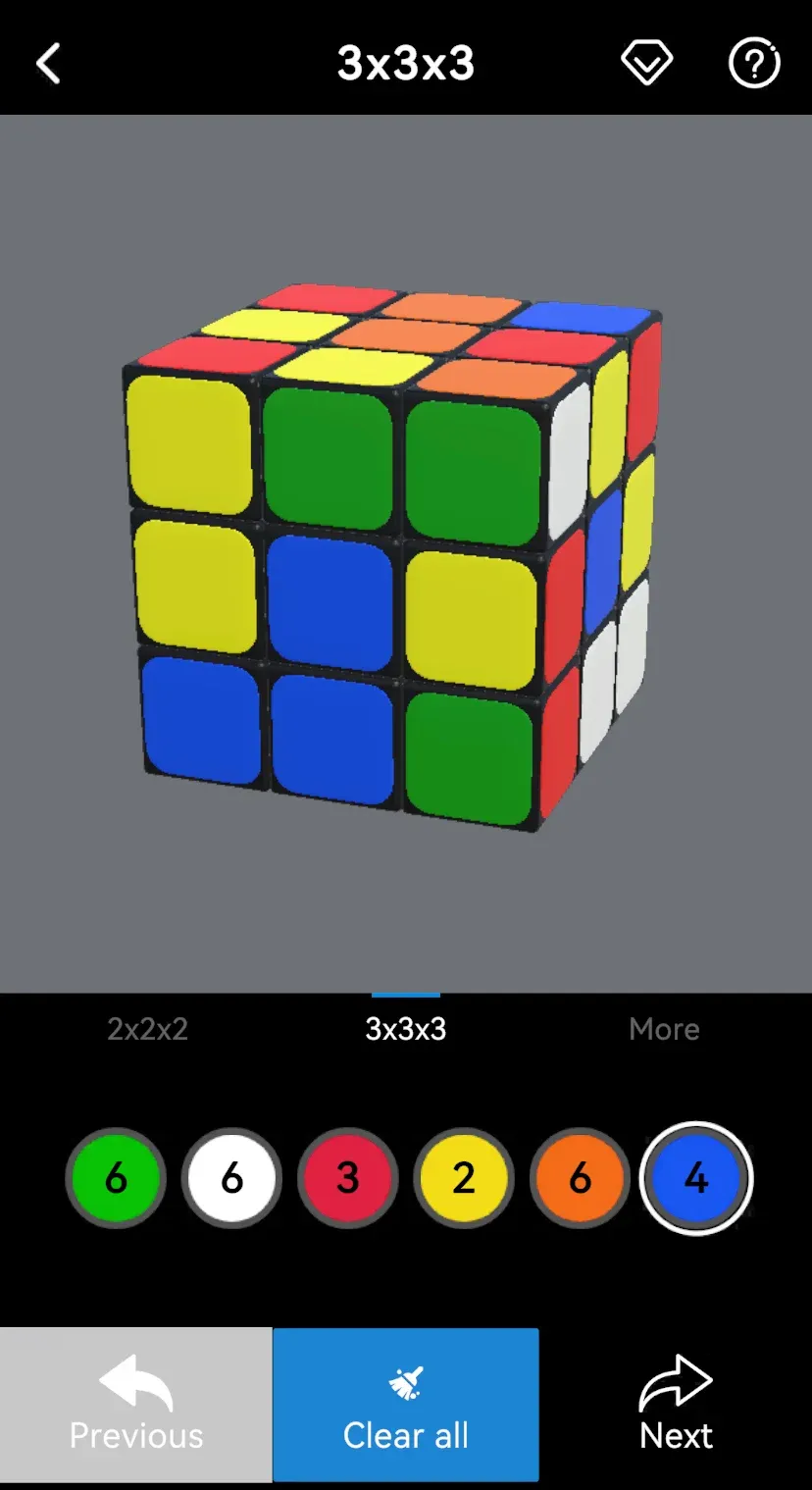
If you're new to the Rubik's cube or still working on memorizing the algorithms, a cuber solver mobile app can be a valuable tool. The app generates step-by-step solutions based on your current cube configuration (like 3x3x3, 2x2x2, or 4x4x4), helping you understand how to proceed with each move.
Conclusion
The colors on a Rubik's cube are more than just decoration—they are the key to unlocking the puzzle. By understanding the Rubik's cube center colors, opposite colors, and their arrangement, you'll be well on your way to mastering this iconic game. Happy solving!
Rubik's Cube Colors FAQ
Q: How many colors are on a Rubik's cube?
The cube has six faces, each displaying one of the six colors. This means there are six colors on a Rubik's cube in total. The consistent color scheme helps players identify and align the pieces correctly during the solving process.
Q: What colors are opposite on a Rubik's Cube?
On a standard Rubik's Cube (Western color scheme), the opposite color pairs are:
- White and Yellow
- Red and Orange
- Blue and Green
These pairs are fixed because the center pieces determine the color of each face and do not change position.
Q: What are the colors of the Rubik's cube 4x4?
The Rubik's Cube 4x4, also known as the Rubik's Revenge, features the same six colors as the standard 3x3 cube. These colors are: white, yellow, red, orange, blue, and green. Just like the standard 3x3, the color arrangement on a 4x4 cube is designed for visual contrast to help distinguish between different faces of the puzzle.
Q: Which color to solve first in Rubik's cube?
The white side is commonly used in tutorials because it makes the layer-by-layer method easier to learn. However, there is no required first color. Any color can be solved first, and experienced speedcubers often choose the color that gives the easiest starting pieces.
Q: Why does the Rubik's Cube use these six colors?
The Rubik's Cube uses six colors: white, yellow, red, orange, blue, and green. These colors were chosen by Ernő Rubik because they are simple, easy to recognize, and create clear contrast between the faces of the cube. This makes it easier to see the cube's state and understand when it is solved.