

No headings found

Charles Sandfield
Charles Sandfield is the technician and content provider for Delta Software. He loves puzzle game, and always writes easy-to-read instructions to share them with beginners.
No headings found
Charles Sandfield is the technician and content provider for Delta Software. He loves puzzle game, and always writes easy-to-read instructions to share them with beginners.
What is the Rubik's Cube Daisy method? How do you solve a 3x3 cube using this method? This post unveils this method to help you solve a cube quickly.
Discover the best Rubik's Cube variations—from 2x2 and Ghost Cube to Megaminx and GoCube. Explore sizes, shapes, mechanics, and solving tips in one guide.
Discover how many Rubik's Cube combinations exist (43 quintillion) and how corner and edge permutations create the enormous number of possible states.
Rubik's Cube Patterns are creative, visually engaging designs made by arranging the colors of a solved Rubik's Cube into various patterns without scrambling it fully. Achieved through specific sequences of moves, you can transform your Rubik's Cube into amazing looks. This guide will walk through 20 cool Rubik's Cube patterns, and show you how to achieve them yourself.
Want to keep practicing after trying these patterns? CubeSolver AI can help you build better 3x3 solving habits on your phone. Use it to follow clear step by step moves, review how each turn changes the cube, and get back on track when your cube becomes hard to read.



Most Rubik’s Cube patterns in this guide start from a solved 3x3 cube. Choose one design, follow the algorithm exactly, and keep the same cube orientation while making the moves.
The Superflip, can also be called 12-flip, is one of the most special Rubik's patterns, because it is the farthest scramble from a solved 3x3 Rubik's Cube. However, you can still solve the Rubik's Cube in 20 moves, and here's the formula for it: U R2 F B R B2 R U2 L B2 R U' D' R2 F R' L B2 U2 F2
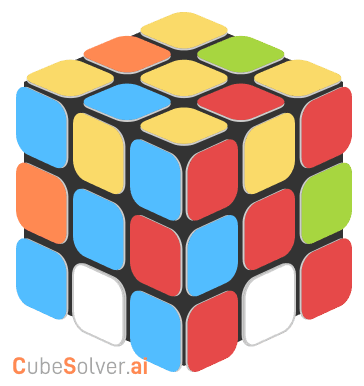
Want to test the moves first? Use the Rubik’s Cube simulator to preview the pattern step by step before trying it on a real cube.
The Easy Checkerboard pattern on a Rubik's Cube is a fun and simple design that transforms each face of the cube into a checkerboard pattern without actually solving or scrambling the cube. The pattern alternates colors on each face, creating a visually striking effect with each square contrasting its neighbor. Its formula is: U2 D2 F2 B2 L2 R2
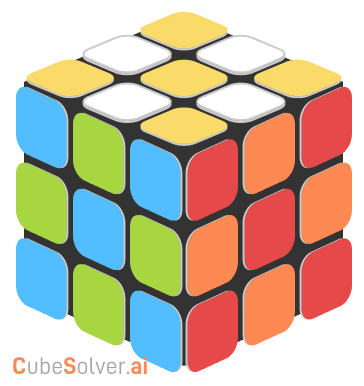
The Wire pattern on a Rubik's Cube is a visually captivating design that makes it appear as if a blue wire on the front layer is connecting with the red wire on the right layer. This pattern can look complex, but it can be achieved with a specific set of moves that keep the cube in a solvable state. The formula is: R L F B R L F B R L F B R2 B2 L2 R2 B2 L2
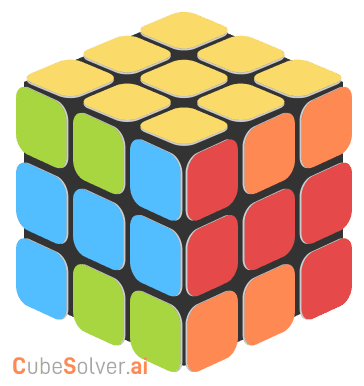
The Checkerboard-in-the-cube pattern on a Rubik's Cube is an advanced and visually impressive design that combines elements of the traditional checkerboard pattern with the cube-in-a-cube effect. This pattern makes it look as though there are checkerboard faces inside a "cube within a cube", creating a complex yet symmetrical look on each face of the Rubik's Cube. The formula is: B D F' B' D L2 U L U' B D' R B R D' R L' F U2 D
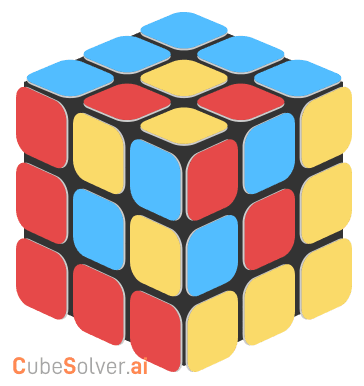
The Perfect Scramble pattern on a Rubik's Cube isn't actually a random scramble; rather, it's a specific arrangement designed to look scrambled while following a set, repeatable sequence. Unlike a random scramble that you would solve, the Perfect Scramble gives the cube a chaotic appearance with every color on every face. In order to solve it, you can follow the formula: D2 F2 R2 D2 L2 U F2 U' F' U F2 U' R2 B' F R' D2 F' D' L
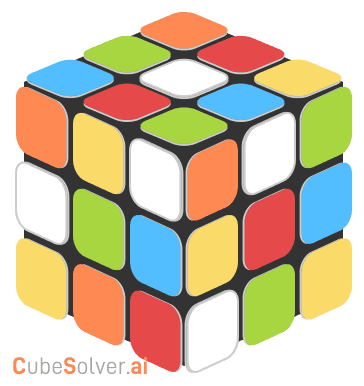
The Perpendicular Lines pattern on a Rubik's Cube is a visually intriguing arrangement that creates single lines across each face of the cube. Unlike other patterns, where you see large shapes or checkerboards, this one features straight lines intersecting at right angles, giving a clean, geometric look. The formula is: L2 D' B2 L2 B2 D' F2 D U' B2 L B2 F' L B' F U' F' U L2
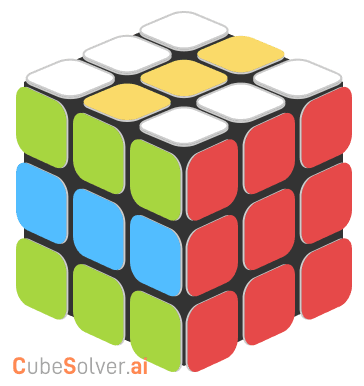
The Flipped Tips pattern on a Rubik's Cube, also known as the Edge Flip pattern, involves flipping only the edge pieces while keeping the center and Rubik's corner pieces in their original positions. This creates a unique look where each edge appears rotated or "flipped", making it appear scrambled even though the overall structure of the cube remains intact. The formula is: U B D' F2 D B' U' R2 D F2 D' R2 D F2 D' R2
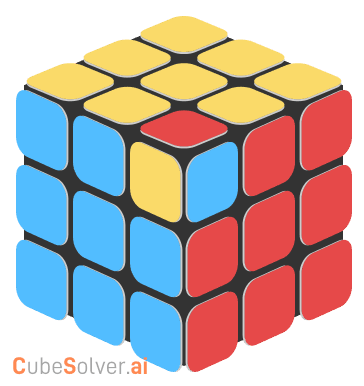
The Plus-Minus pattern on a Rubik's Cube is a distinct and interesting pattern where each face has a "+" or "–" sign formed by the arrangement of colors. This creates a visual effect where the center rows and columns of each face form a cross (+) shape, while the rest of the face contrasts it, resembling a plus-minus symbol across the cube. The formula is: U2 R2 L2 U2 R2 L2
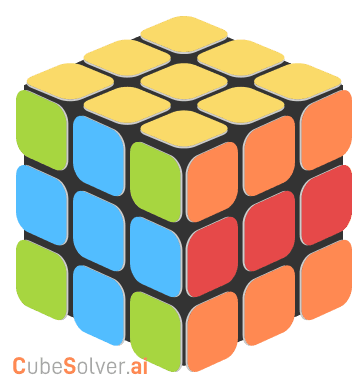
The Deckerboard pattern on a Rubik's Cube is often confused with the Checkerboard pattern. However, the Deckerboard pattern has a distinct effect, giving the cube a layered or stacked look, with alternating colors on each face that resemble multiple "decks" or levels. The design is striking, as it makes the cube appear as though it's divided into sections of alternating colors. The formula is: U D R L' F' B U D' R2 U R2 L2 D2 F2 B2 D
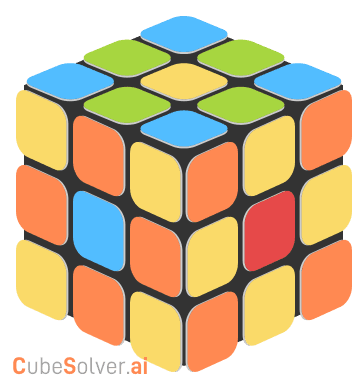
The Spiral Pattern on a Rubik's Cube creates a visually captivating, swirling effect across each face, making it appear as though each side has a spiraling design. Unlike the simpler patterns, the Spiral pattern requires more moves to achieve, but it's popular for its intricate and unique look, with each color appearing to twist into the center of each face. The formula is listed below: L' B' D U R U' R' D2 R2 D L D' L' R' F U
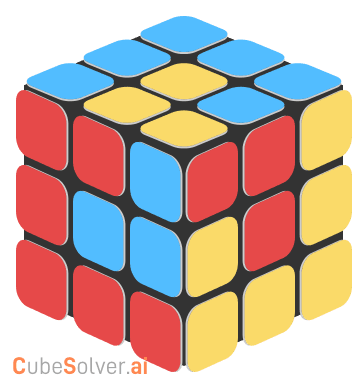
The Vertical Stripes pattern on a Rubik's Cube is a straightforward and visually appealing design that creates vertical lines or "stripes" of color on each vertical face. This pattern is simpler to create than some of the more intricate designs, but it gives the cube a unique and organized appearance, with each face split into alternating vertical columns of three colors. The formula is: F U F R L2 B D' R D2 L D' B R2 L F U F
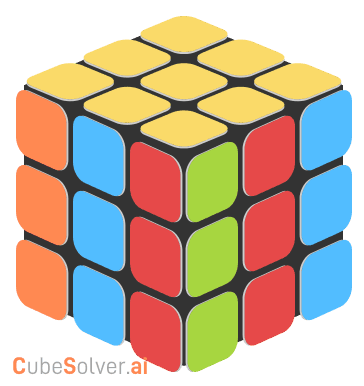
The Gift Box pattern on a Rubik's Cube is a fun and visually appealing design that mimics the appearance of a wrapped gift with a bow on top. It creates a box-like structure on the cube where each face features a cross or box shape, often with contrasting colors in the center and on the edges, resembling the look of a present. You can use the formula below to achieve it and use it as a gift at Christmas: U B2 R2 B2 L2 F2 R2 D' F2 L2 B F' L F2 D U' R2 F' L' R'
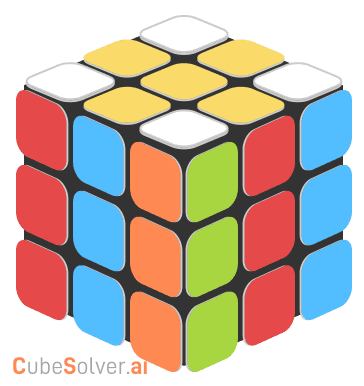
The Cross pattern on a Rubik's Cube refers to a specific arrangement of the cube's edge pieces where the four edge pieces of the same color as the center piece (usually white or another color) are correctly positioned on one face of the cube, forming a "cross" shape. This pattern is typically one of the first steps in solving the Rubik's Cube, often before proceeding to solve the corners in the first layer. The formula is: R2 L' D F2 R' D' R' L U' D R D B2 R' U D2
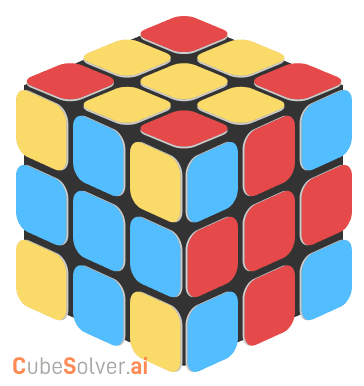
The 4 Crosses pattern on a Rubik's Cube is a more advanced concept. Instead of just one cross, four separate cross-like formations are created on different layers of the cube. This involves the edge pieces from multiple layers of the Rubik's Cube aligning to form individual "crosses." The pattern usually emerges in specific algorithms, particularly during advanced solving methods like CFOP (Fridrich method), where multiple crosses are simultaneously manipulated across different layers. The formula is: U2 R2 L2 F2 B2 D2 L2 R2 F2 B2
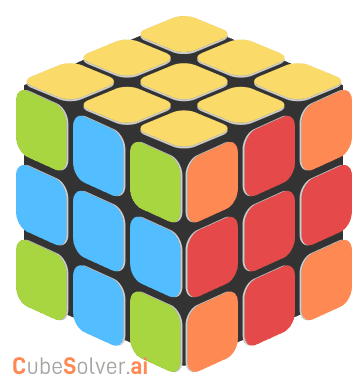
The Cube in the Cube pattern on a Rubik's Cube is a visually striking and complex pattern that creates the illusion of a smaller cube within a larger cube. This pattern is often used as a decorative or artistic configuration rather than a step in solving the Rubik's Cube. It's created through a series of rotations and algorithms that manipulate the cube's pieces to form a smaller, fully solved cube inside the solved larger cube. The formula is: F L F U' R U F2 L2 U' L' B D' B' L2 U
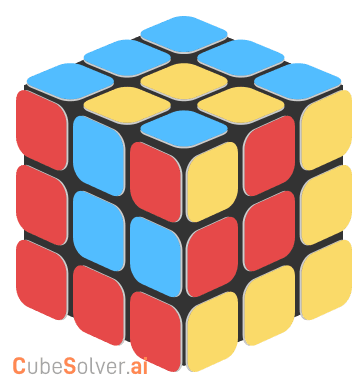
The Cube in a Cube in a Cube pattern is an advanced and visually stunning configuration of a Rubik's Cube. It builds upon the Cube in the Cube pattern by adding an additional level of complexity, creating the illusion of three smaller cubes nested within each other, one inside the other. This pattern is an impressive feat of Rubik's Cube manipulation, often used to show off solving skills and the beauty of cube art. The formula is: U' L' U' F' R2 B' R F U B2 U B' L U' F U R F'
The Six Spots pattern on a Rubik's Cube is a visually interesting and relatively simple pattern that creates six distinct spots, one on each face of the cube. These spots appear as small clusters of edge pieces placed in specific positions on each of the six sides of the cube. The pattern is often used for aesthetic purposes and is easy to execute with a specific set of moves. The formula is: U D' R L' F B' U D'
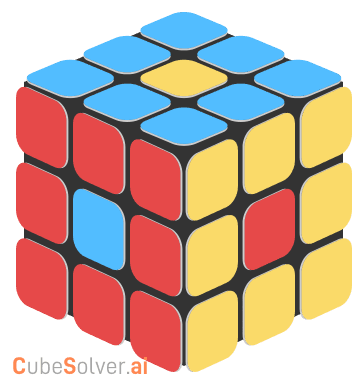
The Tetris pattern on a Rubik's Cube is a fun and visually striking configuration that mimics the appearance of the iconic shapes from the classic video game Tetris. The pattern features edge and corner pieces arranged in such a way that the cube looks like it has been divided into several segments, forming Tetriminos—the shapes of the game. The formula is: L R F B U' D' L' R'
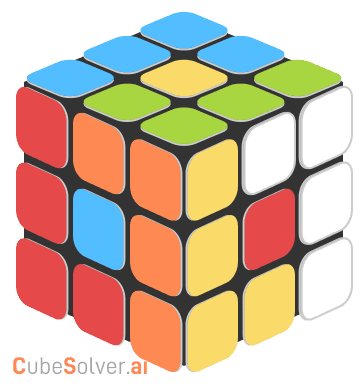
The Displaced Motif pattern on a Rubik's Cube is a visually intriguing configuration that creates a distinct and asymmetric arrangement of the cube's pieces. In this pattern, the pieces appear to be "displaced" or moved from their original positions, creating an unusual and dynamic look while still being solvable. It's not one of the most complex patterns but is visually striking and often used as a fun exercise in manipulating the cube. The formula is: L2 B2 D' B2 D L2 U R2 D R2 B U R' F2 R U' B' U'
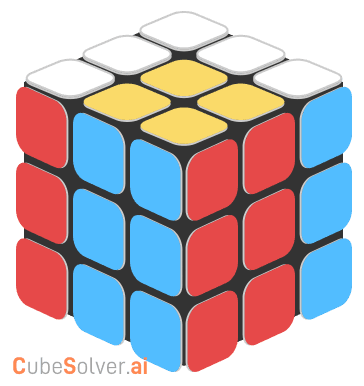
The C U Around pattern on a Rubik's Cube is a visually interesting and relatively simple configuration that forms a pattern with a "C"-shaped arrangement of pieces around the cube, along with a surrounding "U"-shaped structure. The pattern is achieved by rotating specific layers of the cube in a way that the edge pieces are arranged to form a "C" and "U" on different faces of the cube. This pattern is often used for its striking appearance and is relatively easy to perform. The formula is listed below: U' B2 U L2 D L2 R2 D' B' R D' L R' B2 U2 F' L' U'
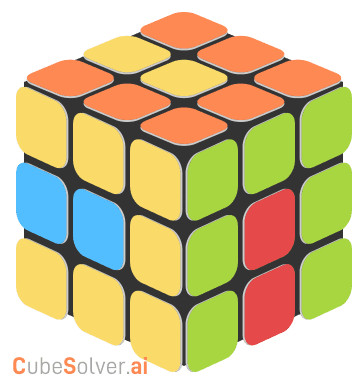
The patterns shown above are either hard to solve, or in a unique shape. With methods provided, you can easily make the pattern and solve them. Also, if you find it hard to solve one of them, you can use the Rubik's Cube Solver app, and get them solved in a few touches.
No. Many cube patterns can also be made on 4x4, 5x5, and other larger cubes, but the algorithms are usually different. A move sequence made for a 3x3 may not create the same design on another cube size.
Yes. Beginners can start with simple patterns that use short move sequences and clear visual results. Patterns are often easier to try than full solving methods, since the goal is to create a design rather than solve a scrambled cube.
A pattern may look wrong if the cube was not held in the right orientation, a move was skipped, or the cube did not start from the expected state. Check the first face position, then go through the move sequence slowly from the beginning.
Yes. Patterns help you practice turning accuracy, finger control, and cube orientation. They also make it easier to see how pieces move around the cube, which can help when learning longer solving methods.
Yes. Once you understand how algorithms move pieces, you can experiment with short move sequences to create new designs. Start with a solved cube, test a small set of moves, and write down any sequence that creates a pattern you like.